What that daily rate actually covers
It does not cover international flights, visas, travel insurance, tips, drinks outside meals, or optional extras like a balloon flight over the Mara.
- Park and conservancy entry fees, which are a large share of the total.
- All accommodation, on full board unless the itinerary says otherwise.
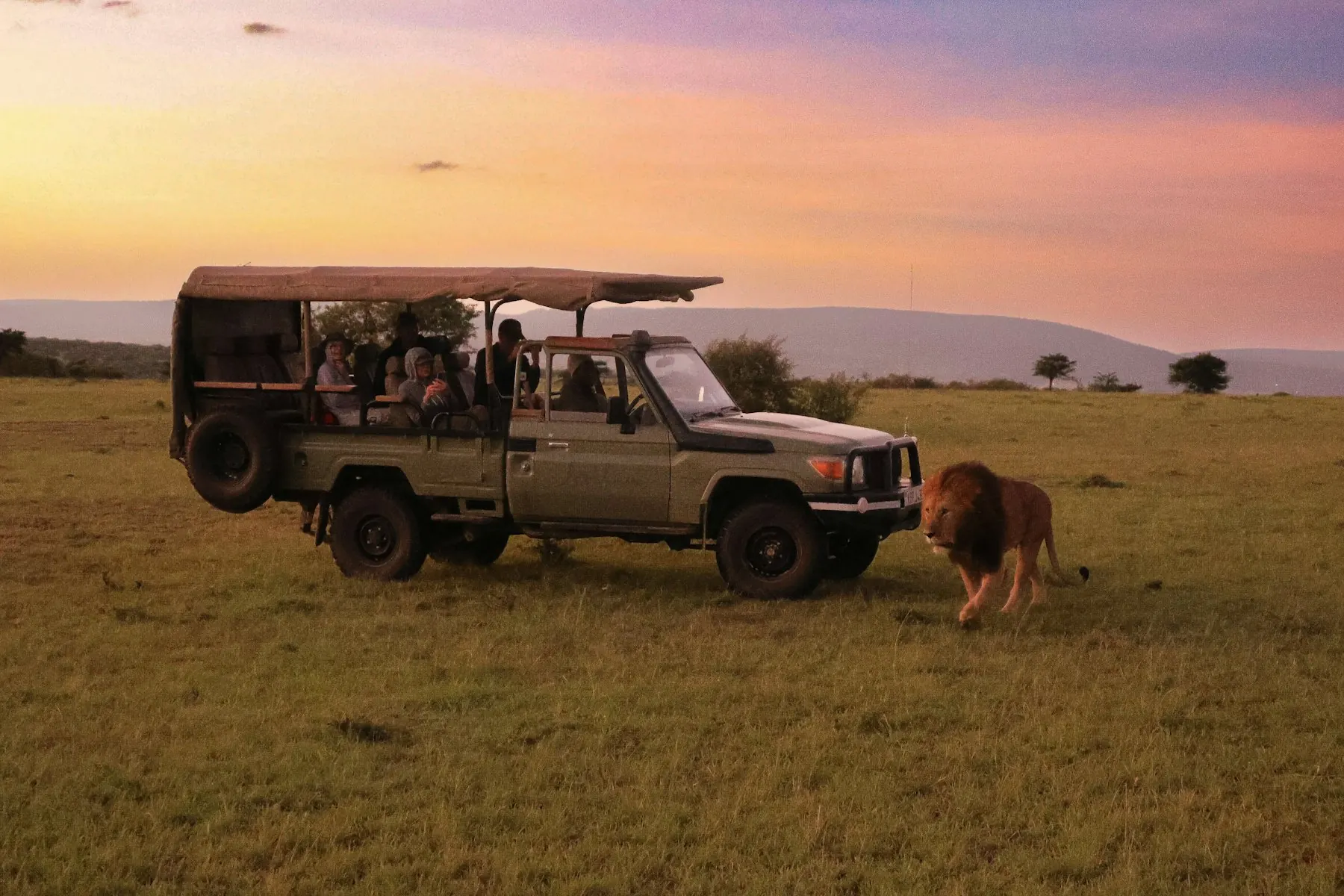
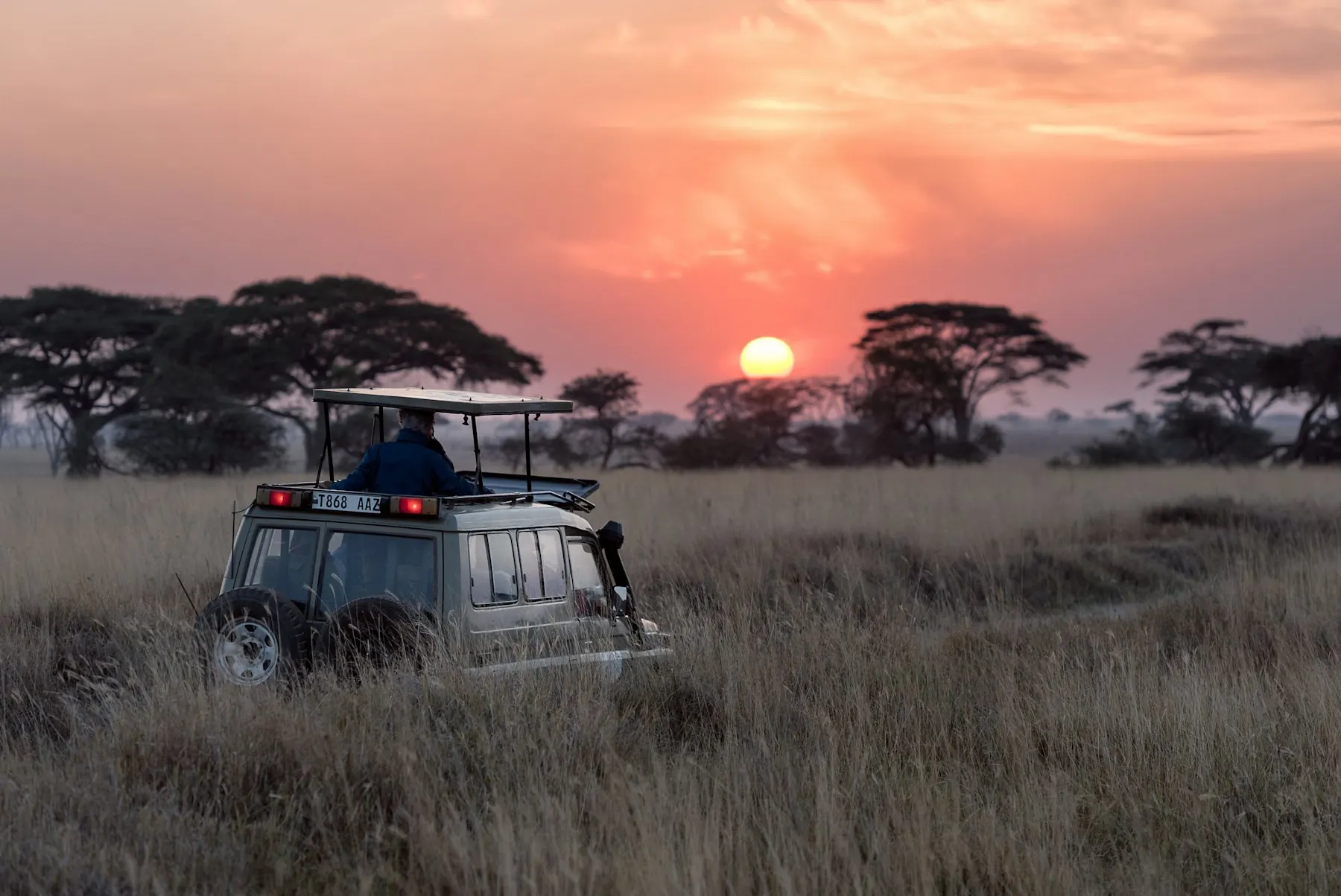
- A private safari vehicle with a pop-up roof, for your group only.
- A professional driver-guide, including their meals and accommodation.
- Fuel, road tolls and unlimited game drives within the itinerary.
- Drinking water in the vehicle throughout.
- Airport transfers at the start and end of the trip.
Park fees are the floor under the price
Every national park and reserve charges a daily entry fee per person, set by the Kenya Wildlife Service, the county governments or the Tanzanian park authorities. In the Masai Mara these fees are among the highest in East Africa, and they are higher in the second half of the year.
This matters because it puts a hard floor under any quote. An operator advertising a Mara safari far below the numbers on this page is either cutting nights, using camps outside the parks with long daily drives in, or has not included the fees. Ask which.
Fees are set by the authorities and can be revised after you book. Where that happens the difference is passed on, and that is in our terms.
Season: the biggest lever you control
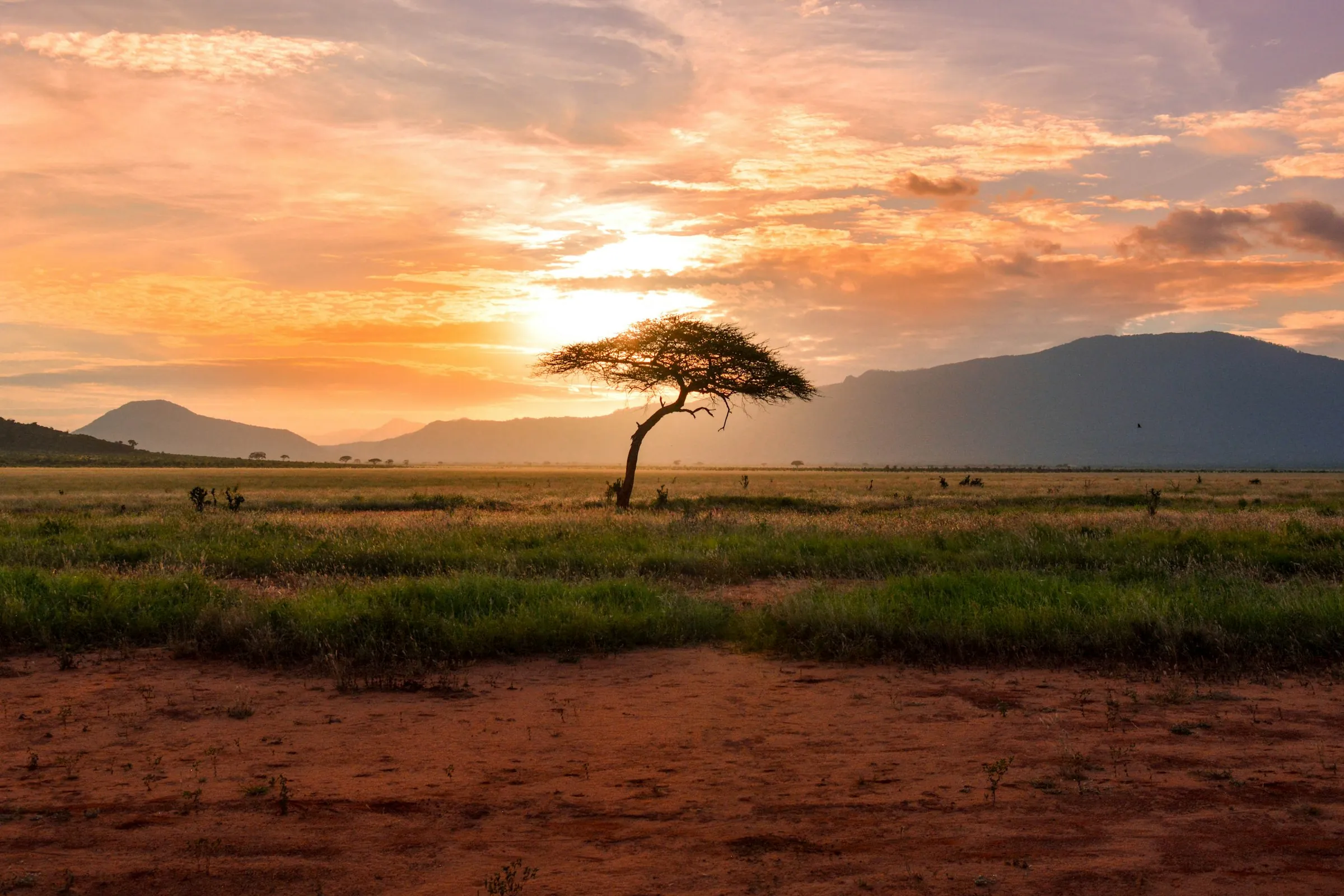
Lodges charge peak rates from about July to October and again over Christmas and New Year. April and May, the long rains, are the cheapest months of the year, and the same route can cost 30 to 40 percent less. January and February sit in between: dry, clear and noticeably cheaper than the peak.
If your dates are flexible, this is the single largest saving available to you. Moving from August to February will do more for your budget than any other change.
Group size: the second biggest
The vehicle and the guide cost the same whether two people or six are in it, so the per-person cost falls sharply as the group grows. Two people sharing a vehicle pay considerably more per head than four.
A single traveller pays the most, because most lodge rates are built around two sharing a room and a single supplement applies on top. If you are travelling alone and the budget is tight, tell us: there are routes and lodges where the supplement is much softer.
Lodge tier
Our routes name the properties we use: Sopa, Serena, Ashnil, Zebra Plains and similar. They are comfortable, well run and well located, usually inside or on the edge of the park so you are not spending an hour of your morning driving to the gate.
You can go up from there to luxury tented camps, which can double the accommodation line. You can go down to budget camping, which we are happy to quote and rarely recommend for a first safari, because the thing you save in money you tend to pay in driving time and sleep.
Length and distance
Longer trips cost more in total but often less per day, because the fixed costs of the vehicle and the arrival and departure days are spread further. A route that criss-crosses the country burns fuel and daylight; a route that moves in one direction with sensible driving legs does not.
This is why our itineraries are written day by day. If a route looks cheap but has two 300-kilometre transfer days in it, you are paying for a safari and receiving a road trip.
Indicative totals
All figures are per person with two sharing, comfortable lodges and a private vehicle. Peak season and single travellers sit above these; April and May sit below.
- 4 days, Lake Nakuru and the Masai Mara: from around $1,000 per person.
- 6 to 7 days across three or four Kenyan parks: roughly $1,800 to $2,600 per person.
- 8 to 10 days including a cross-border leg into Tanzania: roughly $2,800 to $4,500 per person.
- 12 days of safari and beach: roughly $3,500 to $5,500 per person.
Six ways to bring the number down
- Move your dates out of July to October and away from Christmas.
- Fill the vehicle. Four people pay much less per head than two.
- Spend more nights in fewer parks instead of adding another park.
- Take a lodge just outside a gate where the drive in is genuinely short.
- Skip the internal flight and drive, where the leg is a reasonable length.
- Ask us what we would cut. We will tell you honestly which nights are earning their keep.
How payment works
A deposit confirms the booking and the balance is due 14 days before arrival. Bookings made inside 14 days are paid in full. All prices are quoted in US dollars, and the quote we send itemises what each line covers so you can compare it against anyone else's.