The migration is a year-round loop, not a date
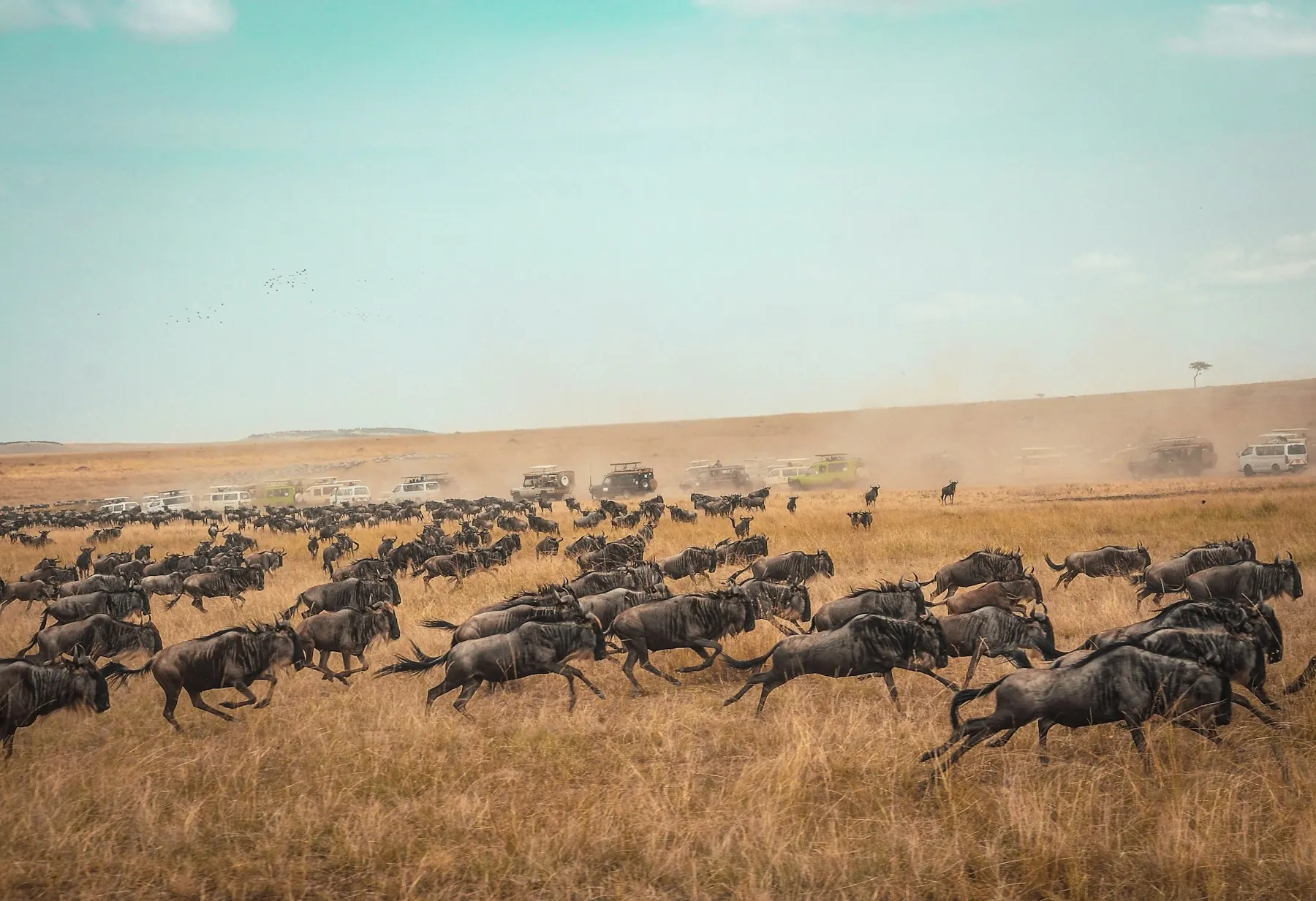
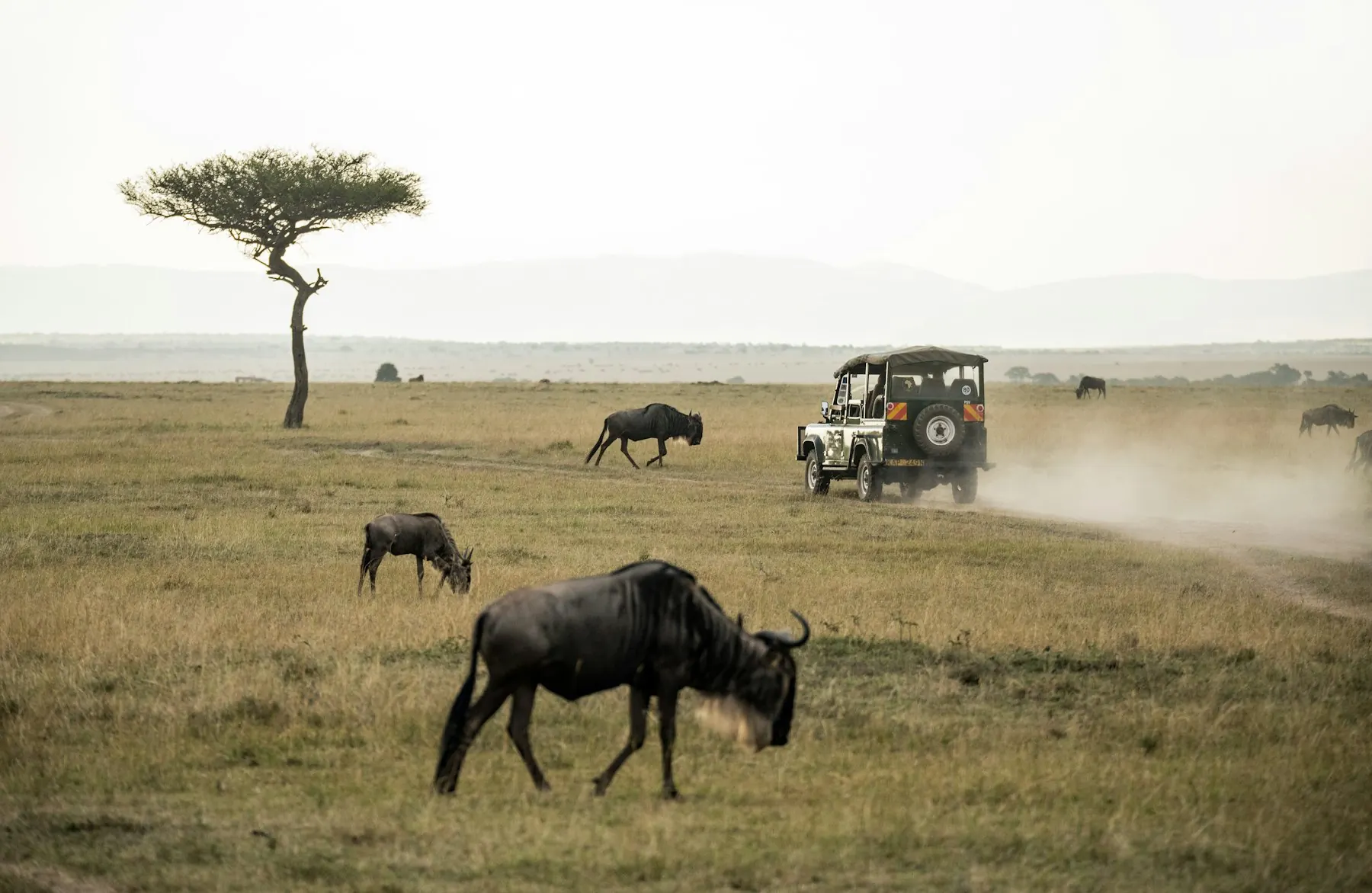
The herds are always somewhere. They are not absent for most of the year and then present for a fortnight. What changes is where they are, and whether being there involves crossing water.
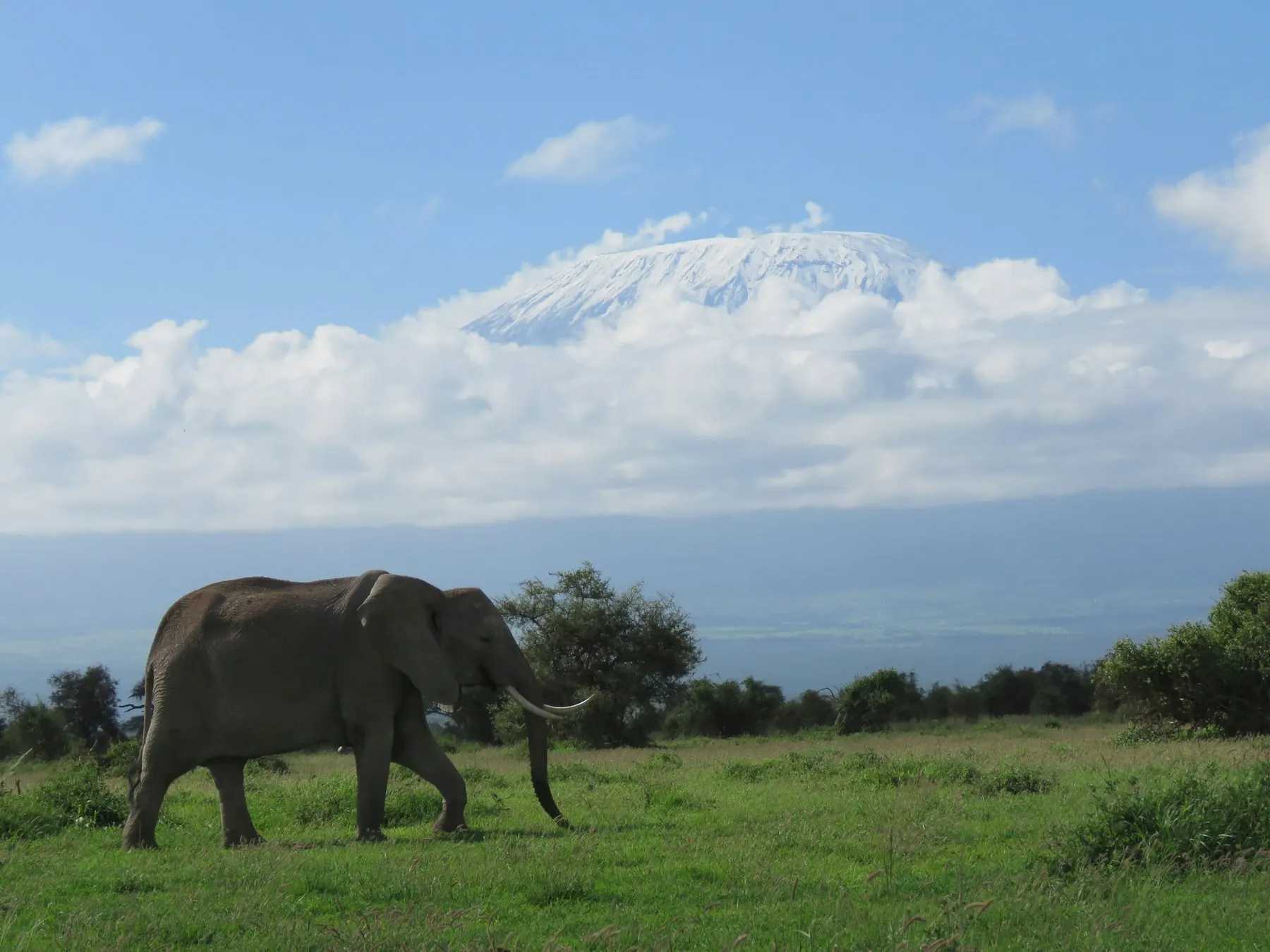
Very broadly: calving on the southern Serengeti plains from late January to March, moving north and west through April to June, reaching the Western Corridor and then the northern Serengeti and Masai Mara from roughly July, and drifting back south from late October.
Those months are averages of many years, not a timetable. Rainfall moves them. A late start to the long rains can push the herds north early; an unusual wet spell can hold them south.
When crossings happen
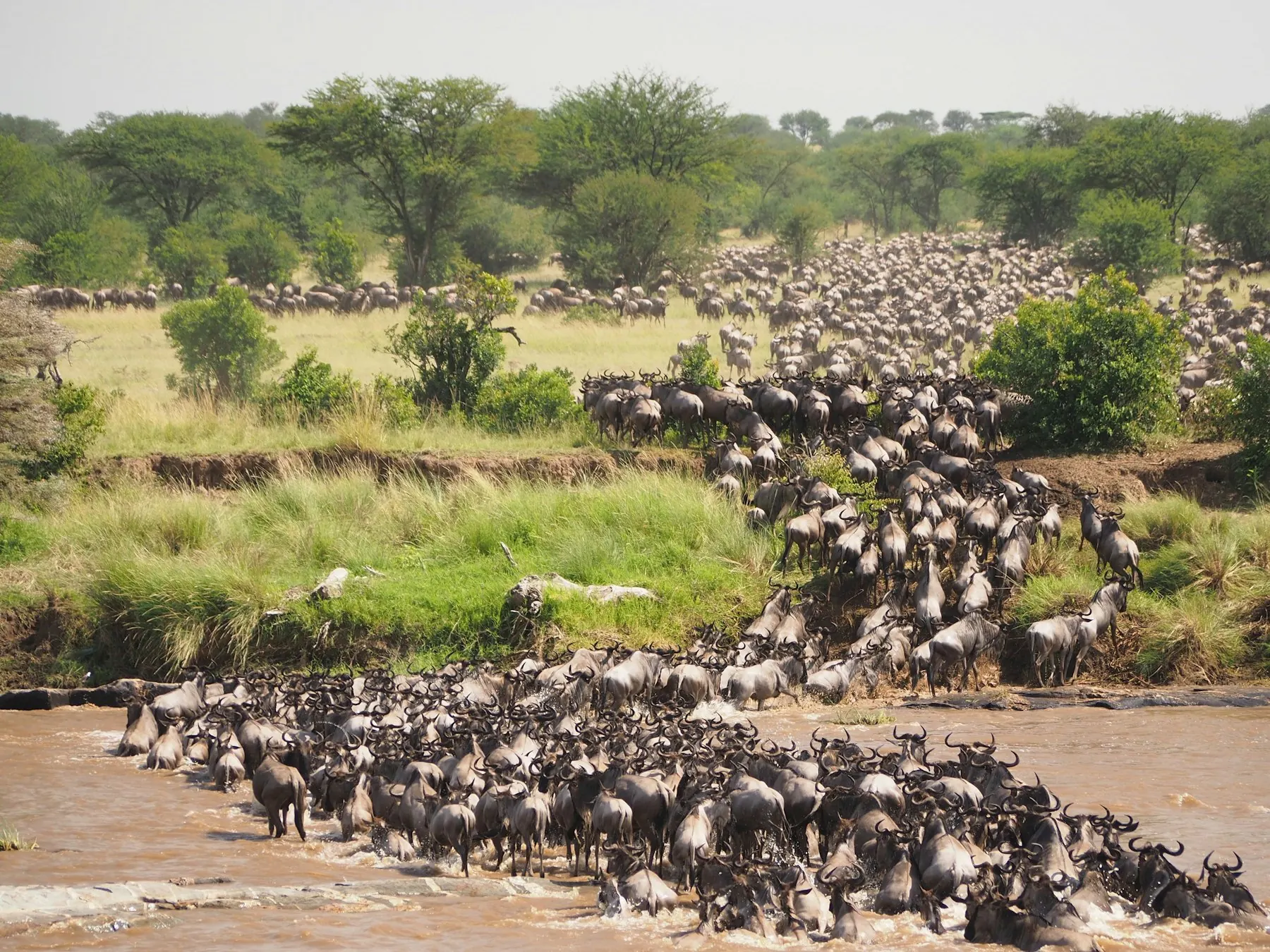
Mara River crossings usually run from late July to early October, with August and September the most reliable weeks. Crossings also happen on the Grumeti in the Western Corridor earlier in the year, around June, though those are smaller and less predictable.
Within that window, herds cross the same river repeatedly and in both directions. A group can cross north in the morning, graze, and cross back south two days later. This is why being in the right area for several days matters far more than picking a specific date.
Why nobody can guarantee you a crossing
A crossing happens when the herd decides. Thousands of animals gather on a bank, sometimes for hours, sometimes for most of a day, and then either go or turn around and wander off. A single spooked wildebeest can end a build-up that took four hours to form.
Any operator who guarantees you a crossing is either misleading you or planning to show you something else and call it one. What a good operator can do is put you in the right stretch of river, early, with a guide who is talking to other guides on the radio, and keep you there while it develops.
Crossings happen when the herds decide, not when we do. Days in the right place beat any single date.
Masai Mara or Northern Serengeti?
Both sit on the same river system and both work. The Masai Mara is smaller, easier to reach from Nairobi, and has more crossing points within a short drive of each other. The Northern Serengeti is larger and quieter, with fewer vehicles at a given sighting, but it is a longer and more expensive journey to get to.
For a first migration trip we usually recommend the Mara: the logistics are simpler, the drive from Nairobi is manageable, and the density of crossing points means a spare day is genuinely useful. For a second trip, or for photographers who want space, the north of the Serengeti is the stronger choice.
How many days you need
If the crossing is the reason for the trip, spend the extra night in the river area rather than adding a fourth park elsewhere. Breadth is the enemy of a crossing.
- Two nights in the crossing area: possible, but you are gambling on a narrow window.
- Three nights: the realistic minimum. Two full days of driving the river.
- Four nights: a comfortable margin. Most of our guests who see a crossing see it on day two or three.
- Five or more nights: for photographers who want a particular light and a particular bank.
Where to base yourself
In the Mara, staying in the north of the reserve or in a conservancy on the northern boundary puts you within reach of the main crossing points at dawn. Staying an hour and a half away means arriving after the morning build-up has resolved.
Conservancies bordering the reserve are worth understanding. They have vehicle limits, allow off-road driving in some cases, and are much quieter. Herds move through them freely. The trade-off is that the classic crossing points are inside the reserve itself, so you want a camp with quick access to both.
What else is happening while you wait
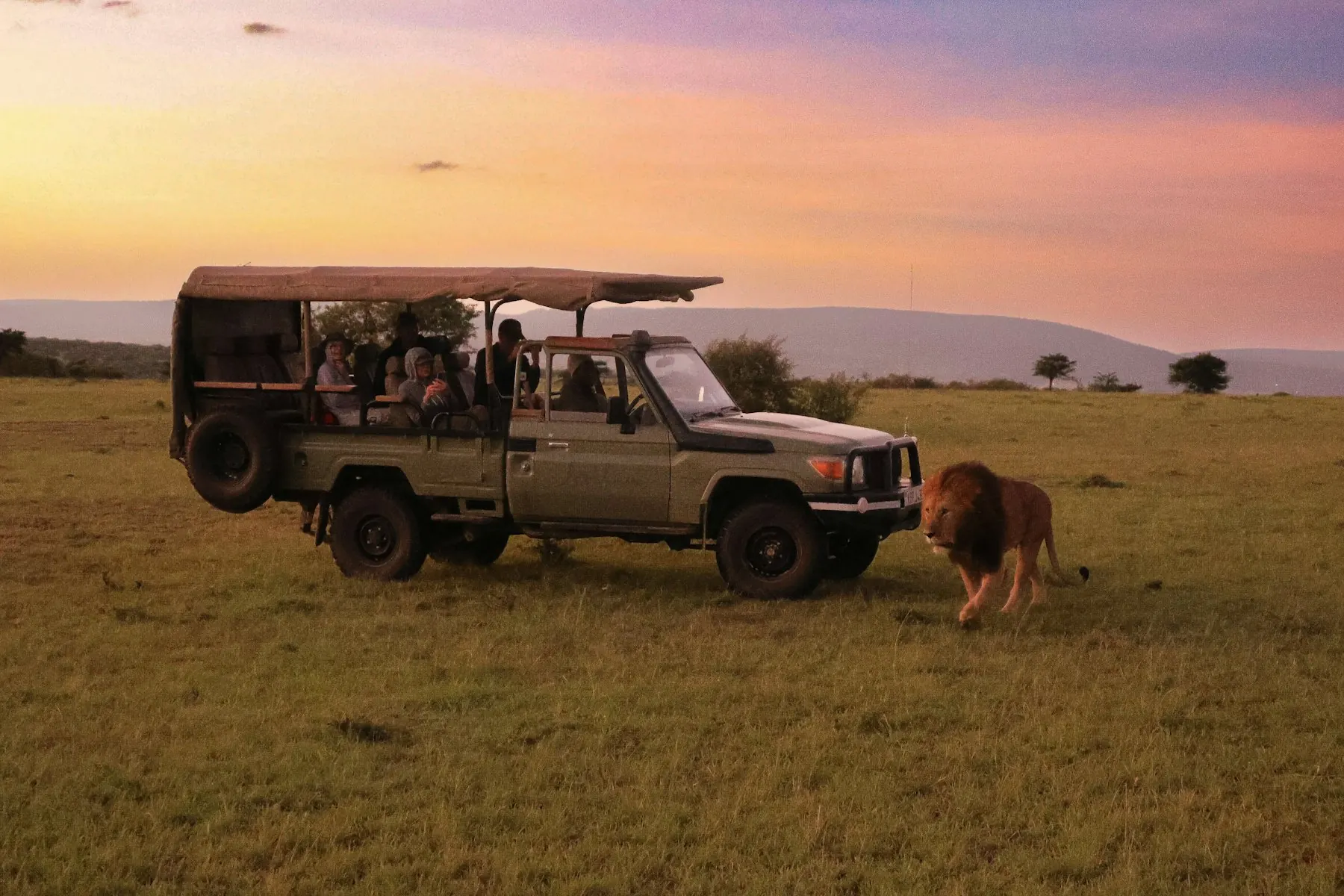
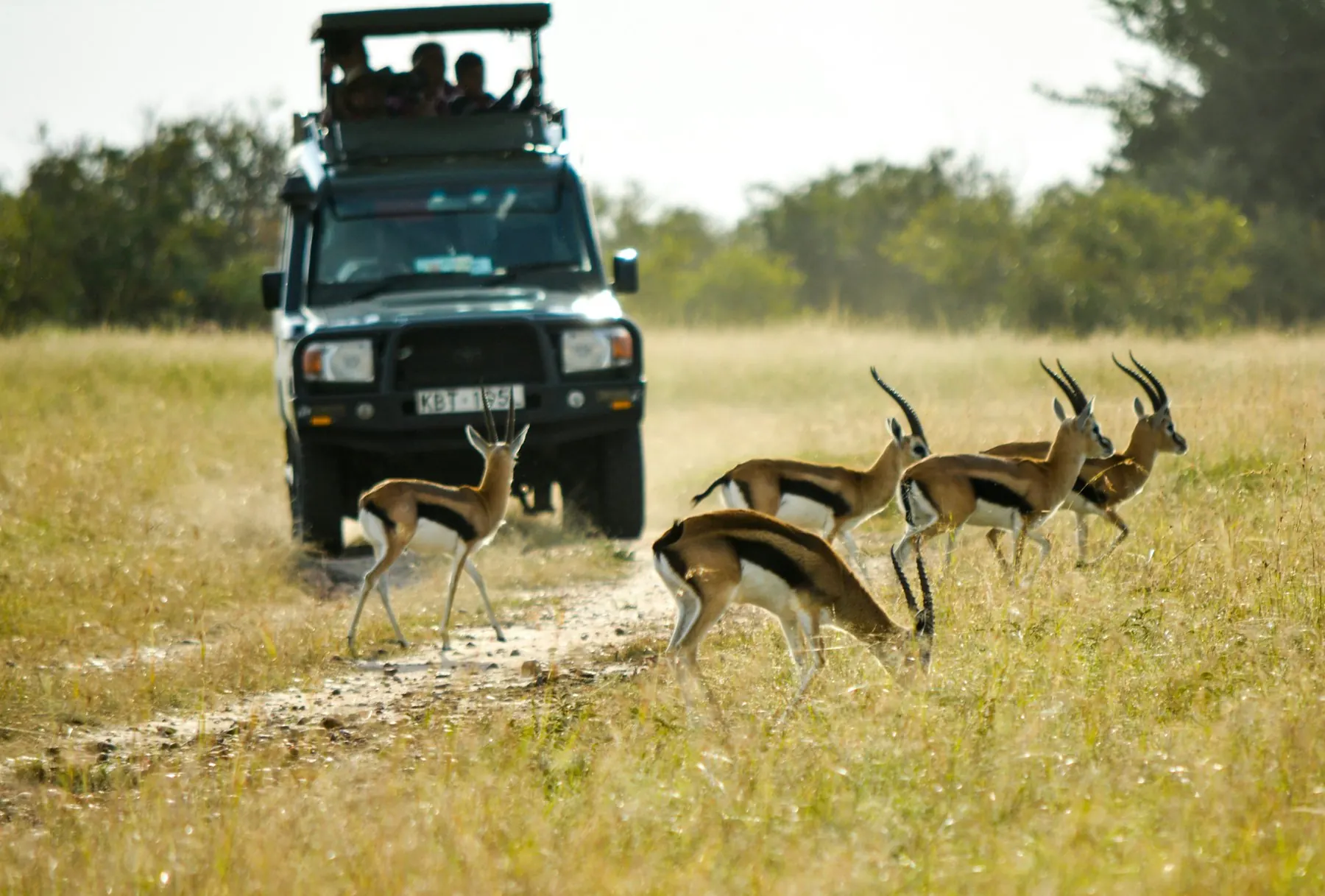
The migration concentrates predators. The same weeks that bring the herds bring exceptional lion, cheetah and hyena activity, and the river holds enormous crocodiles and hippo pods year-round.
Guests who never see a crossing routinely tell us the trip was still the best wildlife they have seen. The herds themselves, tens of thousands of animals stretched to the horizon, are the actual spectacle. The crossing is the highlight reel.